Understanding diabetic eye disease, its warning signs, diagnosis, conventional treatment and the role of supervised Ayurvedic supportive care
Diabetes affects more than just blood sugar levels. Over time, consistently high blood glucose can damage small blood vessels throughout the body, including those supplying the eyes. One of the most important eye complications associated with diabetes is Diabetic Retinopathy.
Diabetic retinopathy is a progressive eye condition that affects the retina, the light-sensitive layer at the back of the eye responsible for sending visual information to the brain. If not identified and managed appropriately, it can lead to significant vision impairment and even permanent vision loss.
One of the biggest challenges is that diabetic retinopathy may develop without noticeable symptoms during its early stages. This makes regular eye examinations particularly important for people living with diabetes.
At Shree Jee Netra Arogyam, we believe that understanding an eye condition, recognizing early warning signs and seeking appropriate medical guidance are essential steps towards protecting long-term eye health.
Let's understand diabetic retinopathy, its causes, symptoms, available treatment options and how Ayurvedic supportive care may fit into an individual's overall health plan.
What Is Diabetic Retinopathy?
Diabetic retinopathy is a diabetes-related eye complication caused by damage to the tiny blood vessels of the retina.
The retina receives light and converts it into electrical signals that travel to the brain through the optic nerve. Healthy retinal blood vessels are essential for maintaining normal retinal function.
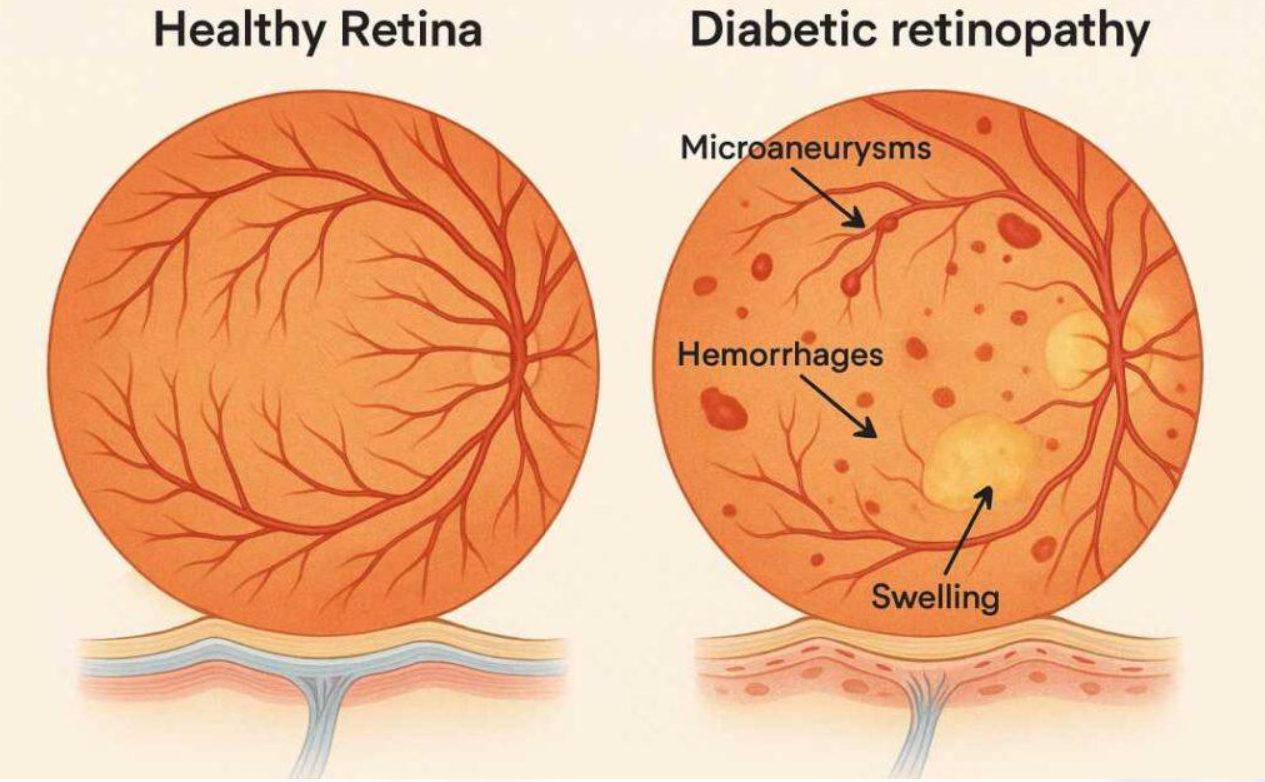
When blood glucose remains elevated over an extended period, these small blood vessels can become damaged. They may weaken, leak fluid or blood, become blocked or develop abnormal new blood vessels.
As the condition progresses, retinal damage can interfere with normal vision.
Diabetic retinopathy can affect people with Type 1 diabetes, Type 2 diabetes and, in some circumstances, diabetes during pregnancy.
Important: Diabetic retinopathy does not always cause symptoms in its early stages. A person may have retinal damage even when their eyesight seems normal.
What Are the Early Symptoms of Diabetic Retinopathy?
Recognizing the symptoms of diabetic retinopathy is important, although early disease may be completely symptom-free.
As the condition progresses, some people may experience the following changes:
1. Blurred Vision
Objects may appear unclear or out of focus. Vision may fluctuate, making it difficult to read, recognize faces or perform everyday activities.
2. Floaters or Dark Spots
Some people notice small black spots, floating particles, lines or cobweb-like shapes moving across their field of vision. These can occur when bleeding develops inside the eye.
3. Difficulty Seeing at Night
Reduced vision in dim lighting or difficulty adjusting to darkness may occur in some people with retinal damage.
4. Dark or Empty Areas in Vision
Some patients may notice missing areas, shadows or dark patches within their field of vision.
5. Changes in Colour Perception
Colours may appear less vivid or faded in certain stages of retinal disease.
6. Sudden Changes in Vision
A sudden increase in floaters, flashes of light, a dark curtain over the vision or sudden loss of sight requires immediate ophthalmic assessment.
Remember: Never wait for symptoms before scheduling a diabetic eye examination. Early diabetic retinopathy may not produce any noticeable changes in eyesight.
What Causes Diabetic Retinopathy?
The primary cause of diabetic retinopathy is prolonged exposure to high blood glucose levels, which can damage the retinal blood vessels.
Several factors may increase the risk of developing this condition.
1. Poor Blood Sugar Control
Consistently elevated blood glucose can damage the delicate blood vessels supplying the retina.
2. Long Duration of Diabetes
The risk of diabetic retinopathy generally increases the longer a person has diabetes.
3. High Blood Pressure
Uncontrolled hypertension can place additional strain on blood vessels and increase the risk of retinal complications.
4. High Cholesterol
Abnormal cholesterol levels may contribute to vascular damage and increase the risk of diabetes-related eye complications.
5. Pregnancy and Diabetes
Pregnancy can increase the risk of diabetic retinopathy progression in women who already have diabetes. Regular eye monitoring is particularly important during pregnancy.
6. Other Associated Health Conditions
Kidney disease and other diabetes-related vascular complications may also be relevant when evaluating an individual's overall risk.
Managing diabetes, blood pressure and cholesterol is an important part of reducing the risk of diabetic eye damage.
Types and Stages of Diabetic Retinopathy
Diabetic retinopathy is commonly classified into two major stages.
1. Non-Proliferative Diabetic Retinopathy (NPDR)
NPDR is generally considered the earlier stage of diabetic retinopathy.
During this stage, small retinal blood vessels may become weakened and develop tiny bulges called microaneurysms. These vessels may leak fluid or blood into the retina.
Depending on the severity, NPDR may be classified as mild, moderate or severe.
Some patients do not experience noticeable vision problems during this stage.
2. Proliferative Diabetic Retinopathy (PDR)
PDR is an advanced stage of diabetic retinopathy.
When certain areas of the retina receive insufficient blood supply, the eye may develop abnormal new blood vessels in an attempt to compensate.
These new vessels are fragile and can bleed into the vitreous, the gel-like substance inside the eye.
Possible complications include:
PDR requires prompt evaluation and management by an ophthalmologist or retina specialist.
Diabetic Macular Edema?
Diabetic Macular Edema (DME) is another important complication associated with diabetic retinopathy.
The macula is the central part of the retina responsible for detailed vision, reading and recognizing faces.
When damaged retinal blood vessels leak fluid into the macula, swelling may develop. This can cause blurred or distorted central vision.
Depending on its severity, DME may require specialist treatment, including intravitreal injections.
How Is Diabetic Retinopathy Diagnosed?
Early diagnosis is essential because retinal changes may develop before a person notices any vision-related symptoms.
An eye specialist may recommend the following investigations:
1. Comprehensive Dilated Eye Examination
Eye drops are used to widen the pupils so that the doctor can examine the retina and identify signs of blood vessel damage.
2. Fundus Photography
Specialized photographs of the retina help document retinal changes and support ongoing monitoring.
3. Optical Coherence Tomography (OCT)
OCT provides detailed cross-sectional images of the retina and helps identify macular swelling and other structural changes.
4. Fundus Fluorescein Angiography (FFA)
When indicated, this investigation helps examine retinal blood flow and identify leakage or abnormal blood vessels.
The choice of investigation depends on the patient's clinical condition and the findings during examination.
People with diabetes should generally have a comprehensive dilated eye examination at least once a year, or at the interval recommended by their eye specialist.
Ayurvedic Treatment Approach for Diabetic Retinopathy
Treatment depends on the stage of diabetic retinopathy, the presence of macular edema and the extent of retinal damage.
Available medical treatments include:
1. Regular Monitoring
Early-stage diabetic retinopathy can often be managed through regular monitoring and appropriate medical guidance. Periodic retinal examinations help track eye health and support timely care whenever needed.
2. Personalized Ayurvedic Consultation and Treatment
Every patient with diabetic retinopathy may have a different medical history, diabetes duration and stage of retinal involvement.
An Ayurvedic consultation may involve reviewing:
Based on the patient's assessment, a qualified Ayurvedic practitioner considers an appropriate individualized care plan.
3. Regular Retinal Monitoring and Integrated Eye Care
Monitoring the condition of the retina is essential for patients diagnosed with diabetic retinopathy.
Depending on the patient's condition, follow-up may include:
- Comprehensive retinal examinations.
- Fundus photography to monitor retinal changes.
- Optical Coherence Tomography (OCT), when indicated.
- Regular assessment by a qualified ayurvedic doctor.
An ayurvedic approach helps & ensure that the patient's overall health and retinal condition are monitored appropriately.
Can Ayurveda Reduce the Risk of Diabetic Retinopathy?
Appropriate management of diabetes and associated health conditions can reduce the risk of progression.
Here are some important preventive measures:
Prevention, screening and timely treatment play an important role in protecting vision.
When Should You Seek Immediate Eye Care?
Certain symptoms should never be ignored, especially in people living with diabetes.
Seek urgent ophthalmic evaluation if you experience:
These symptoms may indicate serious retinal complications and require prompt assessment.
Frequently Asked Questions (FAQs)
1. Can diabetic retinopathy develop without symptoms?
Yes. Early diabetic retinopathy often produces no noticeable symptoms. Regular dilated eye examinations are important even when vision appears normal.
2. Can people with Type 2 diabetes develop diabetic retinopathy?
Yes. Both Type 1 and Type 2 diabetes can lead to diabetic retinopathy. The risk generally increases with longer duration of diabetes and poor control of associated health conditions.
3. Can diabetic retinopathy cause permanent blindness?
Advanced diabetic retinopathy can cause severe and sometimes permanent vision loss. Early detection and appropriate treatment can help reduce this risk.
4. Does controlling blood sugar help protect the retina?
Good blood glucose management can reduce the risk of diabetic eye complications and help slow disease progression. Blood pressure and cholesterol management are also important.
5. Is Ayurvedic treatment suitable for diabetic retinopathy?
Yes, Ayurvedic consultation is considered for individualized supportive care and lifestyle guidance. Ayurveda is an established replacement for ophthalmologist-led diabetic retinopathy treatment.
6. How often should a diabetic patient undergo an eye examination?
A comprehensive dilated eye examination is generally recommended at least once a year for people with diabetes. The doctor may recommend more frequent examinations depending on retinal findings, pregnancy and individual risk factors.
7. Why is OCT recommended for diabetic retinopathy?
OCT provides detailed images of retinal structures and helps identify swelling in the macula and other changes that may affect vision.